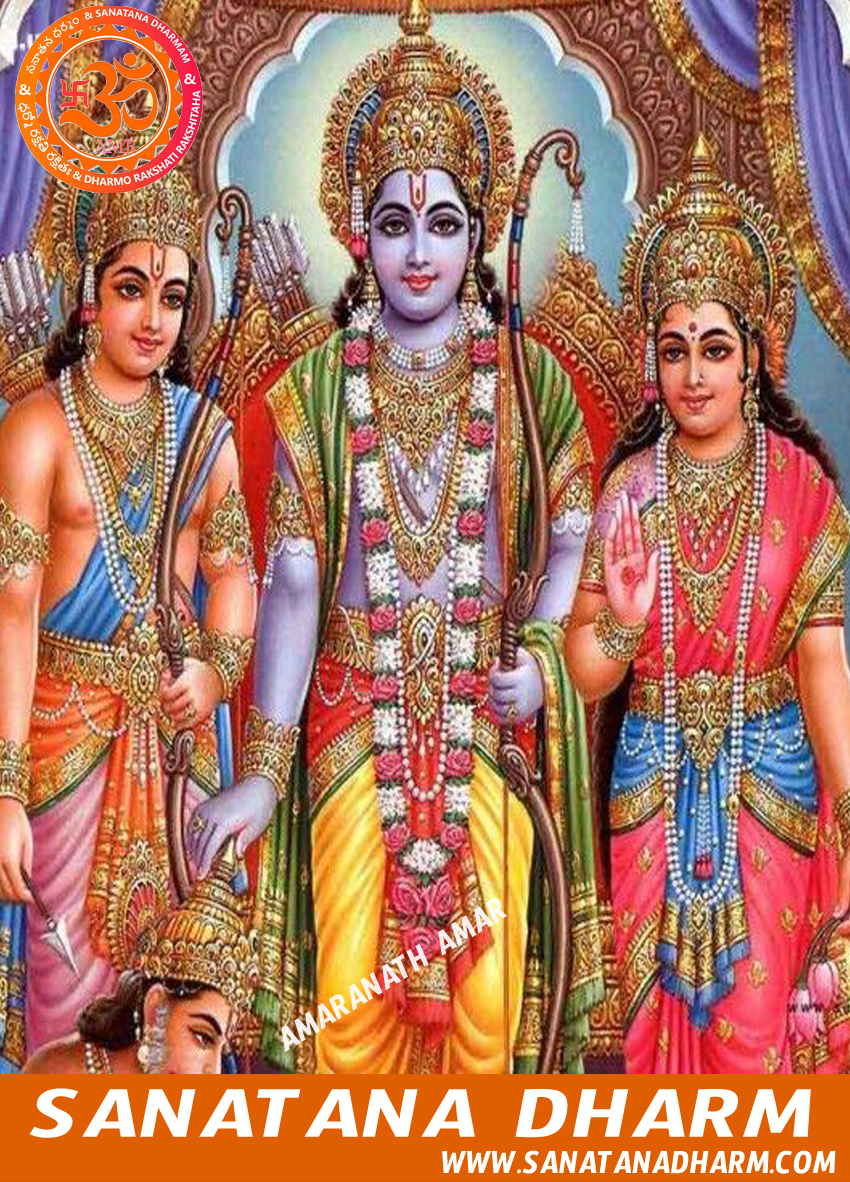
Thereafter, when the sages departed, Rama, reflecting again and again, found no pleasure to remain in that place for many reasons.
जब तपस्वी चले गए, तब राम ने वहाँ रुकना उचित नहीं समझा, क्योंकि अनेक कारण थे।
Ayodhya Kanda – Sarga 117 · v2
इह मे भरतो दृष्टो मातरः च सनागराः |
सा च मे स्मृतिर् अन्वेति तान् नित्यम् अनुशोचतः || २-११७-२
"It is here that Bharata, my mother along with the inhabitants of the city visited me. That memory haunts me, who lament for them daily."
यहाँ मेरे भाई और नगरवासी देखे गए थे। उनका नित्य स्मरण करते हुए मुझे शोक होता है।
"The dry dung of horses and elephants of that high souled Bharata's encamped army caused much spoliation (around here)."
उस महात्मा ने अपनी सेना के शिविर स्थापित करके घोड़े, हाथी और गधों से भारी उपद्रव मचाया।
Ayodhya Kanda – Sarga 117 · v4
तस्माद् अन्यत्र गग्च्छाम इति संचिन्त्य राघवः |
प्रातिष्ठत स वैदेह्या लक्ष्मणेन च सम्गतः || २-११७-४
"We shall, therefore, move elsewhere", pondering thus, Rama along with Seetha and Lakshmana left that place.
रघुकुल शिरोमणि राम ने यह सोचकर कि अब यहाँ रुकना उचित नहीं है, सीता और लक्ष्मण के साथ वन को प्रस्थान किया।
Ayodhya Kanda – Sarga 117 · v5
सो अत्रेर् आश्रमम् आसाद्य तम् ववन्दे महा यशाः |
तम् च अपि भगवान् अत्रिः पुत्रवत् प्रत्यपद्यत || २-११७-५
On the way, after reaching the hermitage of a sage called Atri, the highly celebrated Rama offered salutation to that sage. The venerable sage, Atri too received him as his own son.
वह महान यश वाले व्यक्ति अत्रि के आश्रम में पहुँचकर उन्हें प्रणाम किया। भगवान अत्रि ने भी उन्हें पुत्र के समान स्वीकार किया।
Ayodhya Kanda – Sarga 117 · v6
स्वयम् आतिथ्यम् आदिश्य सर्वम् अस्य सुसत्कृतम् |
सौमित्रिम् च महा भागाम् सीताम् च समसान्त्वयत् || २-११७-६
Offering personally, abundant hospitality with full honours to Rama, the sage Atri rendered equal honour to Lakshmana and the highly blessed Seetha too.
यह श्लोक बताता है कि राम ने स्वयं आतिथ्य स्वीकार किया और सब कुछ सुसज्जित करवाया। उन्होंने लक्ष्मण और महान भाग्यशाली सीता को भी सांत्वना दी।
Ayodhya Kanda – Sarga 117 · v7
पत्नीम् च तम् अनुप्राप्ताम् वृद्धाम् आमन्त्र्य सत्कृताम् |
सान्त्वयाम् आस धर्मज्नः सर्व भूत हिते रतः || २-११७-७
Atri, who knew righteousness and who was interested in the welfare of all beings, called his aged wife Anasuya who had just come there, she who was revered by all and addressed gently to her.
धर्म को जानने वाले और सभी प्राणियों के हित में लगे हुए राजा ने, अपनी पत्नी और उस वृद्ध स्त्री का आदर सत्कार करके, उन्हें सांत्वना दी।
Ayodhya Kanda – Sarga 117 · v8
अनसूयाम् महा भागाम् तापसीम् धर्म चारिणीम् |
प्रतिगृह्णीष्व वैदेहीम् अब्रवीद् ऋषि सत्तमः || २-११७-८
रामाय च आचचक्षे ताम् तापसीम् धर्म चारिणीम् |
Atri excellent sage spoke to the illustrious Anasuya, rich in asceticism and who lived a pious life, saying "You welcome Videha's daughter!" and thereafter introduced that virtuous female ascetic to Rama (as follows):
अति भाग्यवान, तपस्वी और धर्म का पालन करने वाली अनसूया से ऋषि श्रेष्ठ ने कहा, "वैदेही (सीता) को स्वीकार करो।" फिर उन्होंने धर्म का पालन करने वाली उस तपस्वी (अनसूया) के बारे में राम को बताया।
Ayodhya Kanda – Sarga 117 · v9
दश वर्षाण्य् अनावृष्ट्या दग्धे लोके निरन्तरम् || २-११७-९
यया मूल फले सृष्टे जाह्नवी च प्रवर्तिता |
उग्रेण तपसा युक्ता नियमैः च अप्य् अलम्कृता || २-११७-१०
दश वर्ष सहस्राणि यया तप्तम् महत् तपः |
अनसूया व्रतैः तात प्रत्यूहाः च निबर्हिताः || २-११७-११
देव कार्य निमित्तम् च यया सम्त्वरमाणया |
दश रात्रम् कृत्वा रात्रिः सा इयम् माता इव ते अनघ || २-११७-१२
"O, Irreproachable Rama! When the earth was burnt up by drought without break for ten years, this virtuous woman produced fruit and roots, caused the River Jahnavi to flow here, undergoing a rigid mortification enriched by pious observances, by whom the most severe asceticism was practised for ten thousand years and obstacles were done away with and by whom for the reason of a divine command, in a great hurry ten nights were reduced to one night.* This Anasuya, who has bathed after completion of the voes, is like a mother to you."
यहाँ संस्कृत श्लोक का सरल हिंदी अनुवाद दिया गया है: जब दस वर्षों तक लगातार अनावृष्टि से पृथ्वी जल रही थी, तब अनसूया ने अपने कठोर तप और नियमों से फल-मूल उत्पन्न किए और गंगा को भी प्रवाहित किया। उन्होंने दस हजार वर्षों तक महान तपस्या की, जिससे सभी बाधाएँ दूर हो गईं। हे निष्पाप पुत्र, वह माता के समान ही तुम्हारे लिए दस रातों तक देव कार्य के लिए तत्पर रहीं।
Ayodhya Kanda – Sarga 117 · v10
ताम् इमाम् सर्व भूतानाम् नमः कार्याम् यशस्विनीम् |
अभिगग्च्छतु वैदेही वृद्धाम् अक्रोधनाम् सदा || २-११७-१३
"Let Seetha find refuge with that ascetic, who is revered by all the beings, famous as she is and though old is ever free from anger."
हे वैदेही, तुम सदा क्रोध रहित, यशस्वी और सभी प्राणियों द्वारा पूजनीय इस वृद्ध स्त्री के पास जाओ।
Ayodhya Kanda – Sarga 117 · v11
एवम् ब्रुवाणम् तम् ऋषिम् तथा इत्य् उक्त्वा स राघवः |
सीताम् उवाच धर्मज्नाम् इदम् वचनम् उत्तमम् || २-११७-१४
Saying "Be it so" to the aforesaid sage, who was speaking thus, Rama spoke to the virtuous Seetha, the following excellent words:
इस प्रकार कहते हुए उस ऋषि से "ऐसा ही हो" कहकर, श्री राम ने धर्म को जानने वाली सीता से यह उत्तम वचन कहा।
"O, princess! You have heard what the sage has said. For your own good, approach the saintly Anasuya without delay."
हे राजपुत्री, इस तपस्विनी ऋषि के मुख से यह बात सुनो। अपने कल्याण के लिए शीघ्र ही उनके पास जाओ।
Hearing these words of Rama, who is desirous of her welfare, Seetha the daughter of Mithila circumambulated around Anasuya, Atri's wife, who knows piety.
सीता ने राम की हितैषी बनकर, धर्म को जानने वाली अनुसुइया के पास जाकर प्रणाम किया।
Seetha coolly and reverently paid homage to that fortunate Anasuya, a devoted and virtuous wife, who was feeble, wrinkled, aged, with her hair turned grey due to old age, and whose frame constantly shook like a banana tree in a storm. Seetha introduced herself, by announcing her name to Anasuya.
यहाँ संस्कृत श्लोक का सरल हिंदी अनुवाद दिया गया है: जैसे हवा में हिलता हुआ केला, उसी प्रकार शिथिल, झुकी हुई, बूढ़ी, पीली पड़ चुकी बालों वाली और कांपते हुए अंगों वाली वृद्धा को महाभाग, पतिव्रता अनसूया ने, बिना विचलित हुए, अपना नाम बताते हुए प्रणाम किया।
Saluting the irreproachable ascetic the rejoiced Seetha with joined palms enquired about he well-being.
सीता ने, जो निंदनीय नहीं थीं, उस तपस्विनी को प्रणाम किया और हाथ जोड़कर प्रसन्नता से उनका कुशल-क्षेम पूछा।
Then, comforting that celebrated Seetha, engaged in righteous acts, Anasuya rejoicingly spoke as follows: "Luckily enough, you are attending to righteousness."
तब धर्म का आचरण करने वाली महाभागा सीता को देखकर, प्रसन्न होकर उन्होंने (हनुमान ने) उन्हें सांत्वना देते हुए कहा, "यह बहुत अच्छा है कि तुम धर्म का ध्यान रखती हो।"
"O, Seetha the beautiful lady! Thank heaven! Leaving your relatives, honour and prosperity, you are accompanying Rama, who is expelled into a forest."
हे मानिनी सीते, अपने बंधु-बांधवों, सम्मान और ऐश्वर्य को त्यागकर, तुम भाग्यवश वन में राम का अनुसरण कर रही हो।
Ayodhya Kanda – Sarga 117 · v18
नगरस्थो वनस्थो वा पापो वा यदि वा अशुभः |
यासाम् स्त्रीणाम् प्रियो भर्ता तासाम् लोका महा उदयाः || २-११७-२२
"Highly fortunate worlds await those women, await those women, to whom their husband is dear no matter whether he lives in a city or in a forest; whether he is sinful or virtuous."
जो स्त्रियाँ अपने पतियों को प्रिय मानती हैं, चाहे वे पति नगर में रहें या वन में, चाहे वे पापी हों या अशुभ, उन स्त्रियों के लिए यह लोक और परलोक दोनों महान कल्याणकारी होते हैं।
Ayodhya Kanda – Sarga 117 · v19
दुह्शीलः काम वृत्तो वा धनैर् वा परिवर्जितः |
स्त्रीणाम् आर्य स्वभावानाम् परमम् दैवतम् पतिः || २-११७-२३
"To women of noble nature, the husband is the highest deity no mater whether he is ill-behaved or licentious or devoid of riches."
दुराचारी, कामुक या धनहीन पुरुष भी सदाचारी स्त्रियों के लिए परम देवता के समान पति ही होता है।
Ayodhya Kanda – Sarga 117 · v20
न अतो विशिष्टम् पश्यामि बान्धवम् विमृशन्त्य् अहम् |
सर्वत्र योग्यम् वैदेहि तपः कृतम् इव अव्ययम् || २-११७-२४
"O, Seetha! On a reflection, I perceive none who is a better friend than a husband, who protects his wife in all circumstances, like the imperishable fruit of one's austerities."
मैं विचार करके देखता हूँ, इससे बढ़कर कोई प्रिय या योग्य संबंधी मुझे नहीं दिखता। जैसे सब जगह अव्यय (अविनाशी) तप किया गया हो, वैसे ही तुम भी योग्य हो, हे वैदेही।
Ayodhya Kanda – Sarga 117 · v21
न तु एवम् अवगग्च्छन्ति गुण दोषम् असत् स्त्रियः |
काम वक्तव्य हृदया भर्तृ नाथाः चरन्ति याः || २-११७-२५
"Those evil women, whose hearts follow their passions and conduct themselves dominating their husband, having no understanding of virtue and vice, do not follow him in the aforesaid manner."
यह श्लोक कहता है कि जो स्त्रियाँ केवल कामुक इच्छाओं से प्रेरित होकर, अपने पतियों के प्रति समर्पित न होकर, इधर-उधर बातें करती रहती हैं, वे गुणों और दोषों को ठीक से नहीं समझ पातीं। वे सत्य को नहीं जान पातीं।
Ayodhya Kanda – Sarga 117 · v22
प्राप्नुवन्त्य् अयशः चैव धर्म भ्रंशम् च मैथिलि |
अकार्य वशम् आपन्नाः स्त्रियो याः खलु तद् विधाः || २-११७-२६
"O, Seetha! Surely, those evil women, who get into an improper act of authority over their husbands reap infamy and decline in righteousness."
जो स्त्रियाँ अनुचित कार्यों के वश में हो जाती हैं, वे अपयश और धर्म से पतन को प्राप्त होती हैं।
Ayodhya Kanda – Sarga 117 · v23
त्वद् विधाः तु गुणैर् युक्ता दृष्ट लोक पर अवराः |
स्त्रियः स्वर्गे चरिष्यन्ति यथा पुण्य कृतः तथा || २-११७-२७
"Women, like you, on the other hand who are endowed with virtues, who look with detachment on prosperity and adversity in this world, therefore dwell in heaven as those who performed meritorious deeds."
तुम्हारे जैसे गुणवान लोग, जिन्होंने इस लोक और परलोक में अच्छे कर्म किए हैं, वे स्वर्ग में पुण्य आत्माओं की तरह विचरण करेंगे।
"Thus devoted to your lord, loyal to your husband, following established rules, you become an honest wife to your husband and obtain merit and renown."
हे सती, तुम अपने पति का अनुसरण करो और उनके धर्म का पालन करो। इस प्रकार तुम अपने पति की सहधर्मचारिणी बनकर धर्म का अनुष्ठान पूर्ण करोगी।